Materials Mechanics
Monocular 3D Video Extensometer



Monocular 2D Optical Strain Measurement System
Monocular 3D Optical Strain Measurement System
High-Speed Monocular 3D Optical Strain Measurement System
Stereo 3D Optical Strain Measurement System
Optical Strain Measurement System – Educational Edition
2D Optical Microscopic Strain Measurement System


Strain Measurement of Parallel Lap Welds
Residual Deformation Measurement of Drilled Welded Plates
Full-Field Strain Measurement of Weldments in Compression
Tensile Deformation Measurement of 0.3mm Fiber Filament
Unmarked Compression Deformation Measurement of Composite Materials

Deformation Measurement of Artificial Cardiac Patch
Keycap Vibration Measurement: Quantifying Press and Rebound Dynamics
Headband Deformation Measurement: Analyzing Bending Position and Unloading Recovery
High-Temperature DIC Measurement of Wafer Thermal Warpage: Quantifying Warpage vs. Temperature
UAV Dynamic Tracking Measurement: Capturing Flight Trajectory and Attitude Changes

 0755-86347753

 DIC systemDigital image correlation (DIC)
As an important construction and structural material, the log has mechanical properties of great significance in building engineering. Compression testing is a common method for evaluating the compressive strength and deformation characteristics of logs. Conventional methods usually rely on physical contact-type strain gauges, which can measure only a limited number of points and can hardly capture the full-field strain distribution of the log during compression, especially the deformation behavior in stress concentration regions.
The Haytham monocular 3D visual strain gauge adopts advanced monocular 3D digital image correlation (DIC) technology to perform real-time, non-contact full-field measurement of the strain on the log surface during compression testing. The device captures images of the log surface with a high-resolution camera and computes its full-field strain distribution during compression using image processing technology. Compared with conventional methods, the Haytham strain gauge generates detailed strain distribution maps, providing precise strain information especially in stress concentration regions and at potential failure points.


In the log compression test, the specimen is placed in the compression testing machine and a vertical load is applied step by step. The Haytham monocular 3D visual strain gauge monitors the deformation of the log surface in real time through a camera. As the load increases, the device captures the strain distribution in different regions of the log under load, especially the strain changes near failure points or in regions of significant deformation.
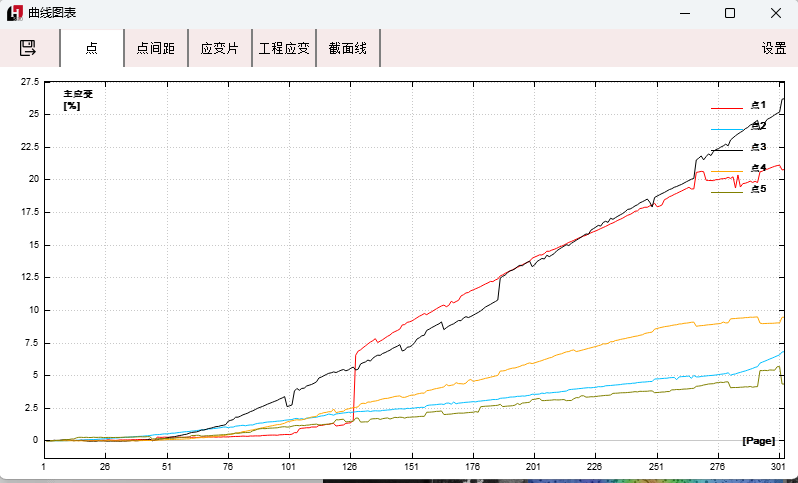
With the collected full-field strain data, engineers can gain a detailed understanding of the stress concentration and deformation behavior of the log in the compression test. These data are of great significance for evaluating the compressive performance of the log material, identifying its mechanical weaknesses, and predicting its behavior in practical applications. In addition, the strain data can be used to validate finite element models and help optimize the design of log applications in construction, improving the safety and reliability of their use.





 Downloads

