Materials Mechanics
Monocular 3D Video Extensometer



Monocular 2D Optical Strain Measurement System
Monocular 3D Optical Strain Measurement System
High-Speed Monocular 3D Optical Strain Measurement System
Stereo 3D Optical Strain Measurement System
Optical Strain Measurement System – Educational Edition
2D Optical Microscopic Strain Measurement System


Strain Measurement of Parallel Lap Welds
Residual Deformation Measurement of Drilled Welded Plates
Full-Field Strain Measurement of Weldments in Compression
Tensile Deformation Measurement of 0.3mm Fiber Filament
Unmarked Compression Deformation Measurement of Composite Materials

Deformation Measurement of Artificial Cardiac Patch
Keycap Vibration Measurement: Quantifying Press and Rebound Dynamics
Headband Deformation Measurement: Analyzing Bending Position and Unloading Recovery
High-Temperature DIC Measurement of Wafer Thermal Warpage: Quantifying Warpage vs. Temperature
UAV Dynamic Tracking Measurement: Capturing Flight Trajectory and Attitude Changes

 0755-86347753

 PRODUCT
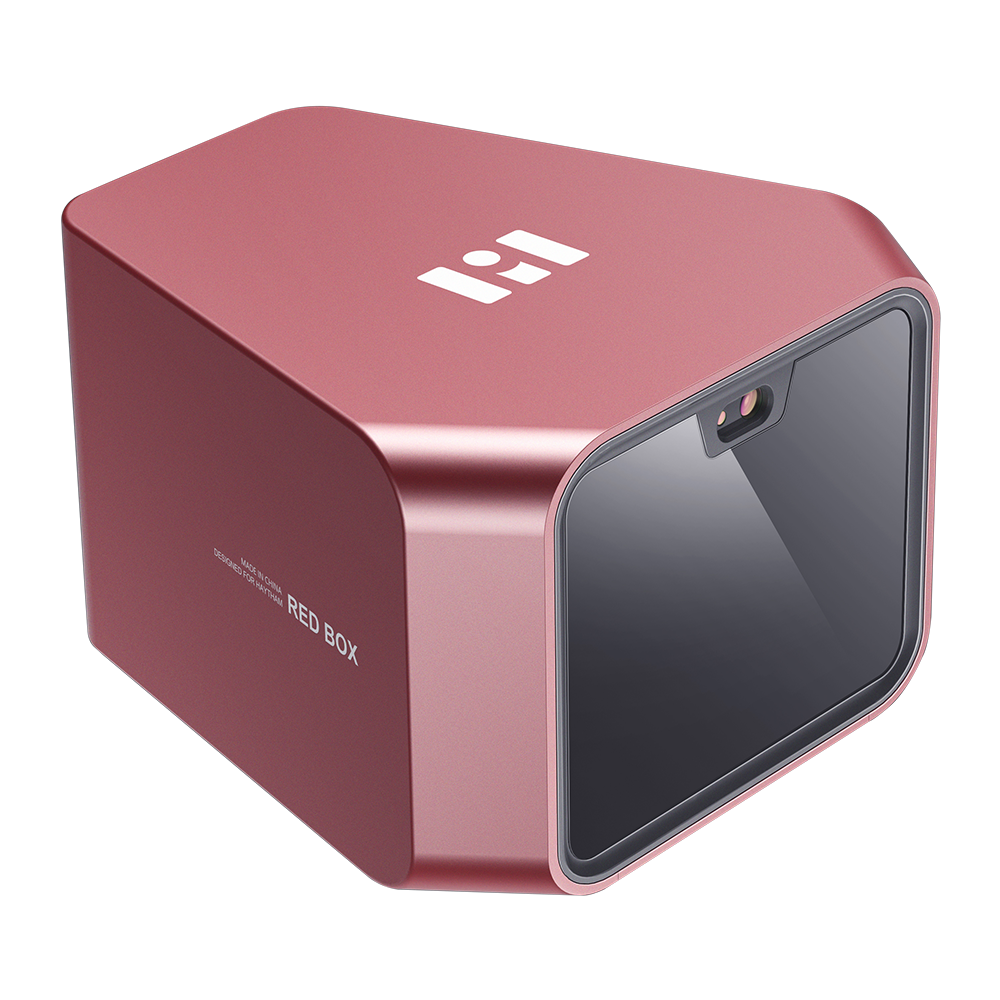
A non-contact extensometer based on monocular 3D DIC technology. The extensometer is positioned outside the high/low-temperature environmental chamber, and the measuring head captures images of the specimen loading process through the chamber window. The extensometer software computes the images and outputs deformation results in real time. An optional full-field measurement module enables full-field displacement and strain measurement.

Laser Focusing

0.5-Class Accuracy

Zero-Latency Communication

Strain Control Capability

Measurable Temperature Range -190℃—2300℃

Monocular 3D DIC Technology

 High-temperature tensileComposite materials
Testing mechanical properties under extreme heat places exceptional demands on equipment, especially at 2200°C. Carbon/carbon (C/C) composite, with high-temperature resistance and strength, is widely used in aerospace. Haytham DIC technology delivers full-field strain measurement for biaxial tensile testing of C/C at 2200°C.
 Composite materialsHigh-temperature compression
Carbon fiber rebars are widely used in aerospace and high-performance structures for their light weight and high strength. Accurately measuring the compression performance of 7mm carbon fiber rebar at 300°C is a real testing challenge. Non-contact DIC captures full-field compressive deformation at high temperature for dependable verification.
 Composite materialsHigh-temperature full-field strain
High-temperature deformation behavior is a key factor in carbon plate performance. To measure it accurately at elevated temperature, the Haytham monocular 3D video extensometer provides an innovative solution that outperforms traditional methods, delivering stable non-contact deformation data.
 High-temperature tensileHigh-temperature video extensometer
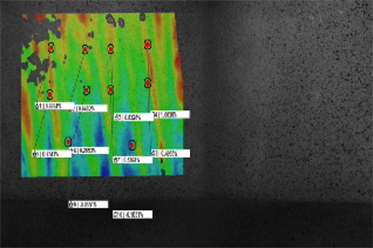
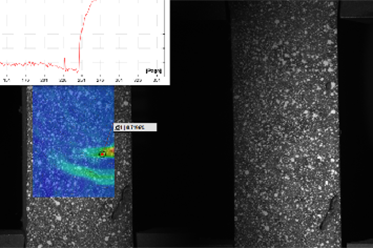
In the full-field high-temperature tensile test of aircraft skin titanium alloy at 650°C, the Haytham high-temperature video extensometer based on monocular 3D DIC technology played a key role as an advanced non-contact full-field measurement technique, delivering reliable strain and deformation data throughout the test.
 High-temperature video extensometerHigh-temperature tensile
UHPC is a concrete material with extremely high strength and durability, widely used in bridges, buildings, and other infrastructure. Its performance under extreme heat still requires study to ensure safety in fires, making high-temperature tensile testing with DIC full-field measurement valuable.




 Downloads


