Materials Mechanics
Monocular 3D Video Extensometer



Monocular 2D Optical Strain Measurement System
Monocular 3D Optical Strain Measurement System
High-Speed Monocular 3D Optical Strain Measurement System
Stereo 3D Optical Strain Measurement System
Optical Strain Measurement System – Educational Edition
2D Optical Microscopic Strain Measurement System


Strain Measurement of Parallel Lap Welds
Residual Deformation Measurement of Drilled Welded Plates
Full-Field Strain Measurement of Weldments in Compression
Tensile Deformation Measurement of 0.3mm Fiber Filament
Unmarked Compression Deformation Measurement of Composite Materials

Deformation Measurement of Artificial Cardiac Patch
Keycap Vibration Measurement: Quantifying Press and Rebound Dynamics
Headband Deformation Measurement: Analyzing Bending Position and Unloading Recovery
High-Temperature DIC Measurement of Wafer Thermal Warpage: Quantifying Warpage vs. Temperature
UAV Dynamic Tracking Measurement: Capturing Flight Trajectory and Attitude Changes

 0755-86347753



2026/06
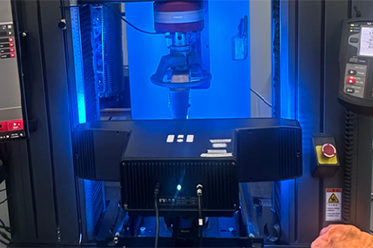
 High-temperature video extensometerLow-temperature strain measurementLarge-deformation testing
High/low-temperature and large-deformation tests are two challenging scenarios in mechanical experiments. The specimen experiences complex temperature changes and may stretch, contract, neck or even fracture. Traditional contact extensometers often face installation difficulties, limited range and complex sensor protec...
2026/06
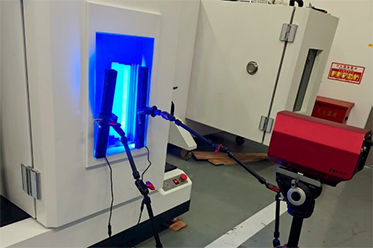
Video extensometerContact extensometerNon-contact strain measurement In material testing, both traditional contact extensometers and single-camera DIC video extensometers can measure strain, but they differ in measurement method, applicable scenarios and user experience. Traditional extensometers clamp on the specimen surface and sense gauge changes mechanically.
2026/06
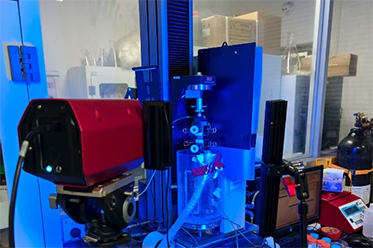
Video extensometer for tensile testingNon-contact extensometerSingle-camera DIC measurement The core goal of material tensile testing is accurately obtaining deformation and strain data under load. Laboratories traditionally used contact extensometers, but in large-deformation, high/low-temperature, thin-sheet, soft-material and small-specimen testing, the traditional approach is easily affected.
2026/06
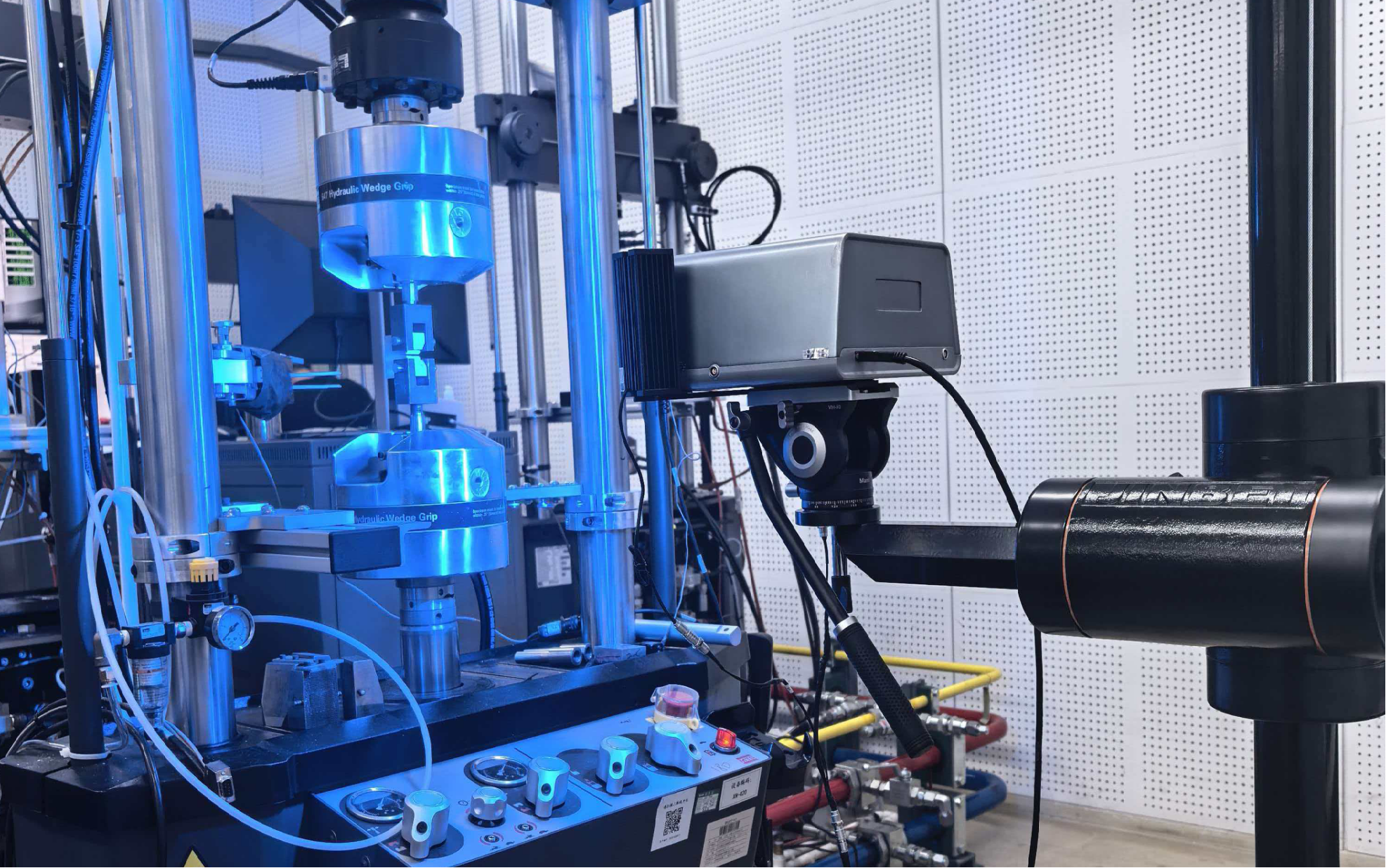
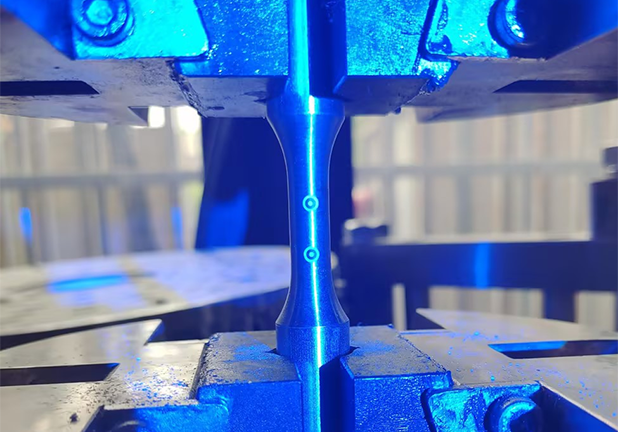
Video extensometerSingle-camera DICNon-contact strain measurement Unlike traditional extensometers, the Haytham video extensometer uses single-camera DIC technology: a camera captures specimen surface images, algorithms identify gauge-area displacement changes, and axial strain, transverse strain, displacement and deformation data are computed.
2026/06
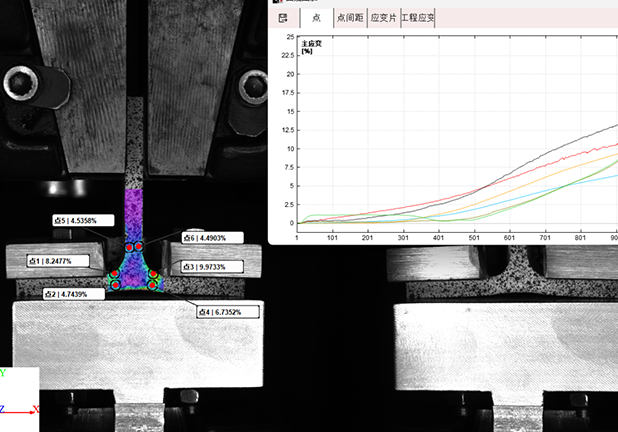
DIC full-field strain measurementWelding process verification In welding process research, structural verification and quality evaluation, weldment deformation measurement is a key step. Common questions include: where does deformation first occur in the weld area? Is there strain concentration in the heat-affected zone?
2026/06
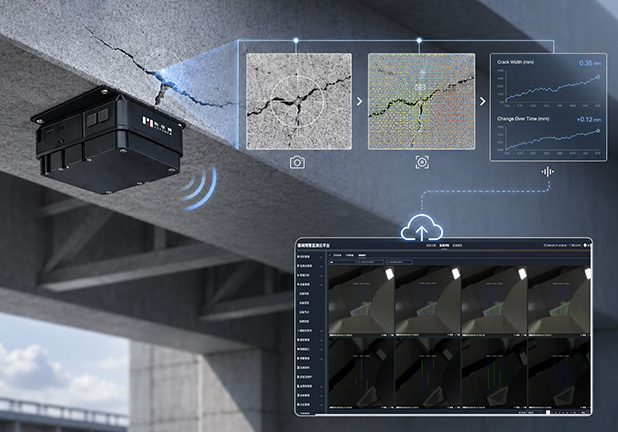
Crack monitoringCrack gauge The visual crack gauge is a device performing non-contact automatic monitoring of structural crack width through image acquisition and DIC algorithms, mainly for online crack monitoring and long-term tracking of bridges, tunnels, dams, buildings and slopes.
2026/05
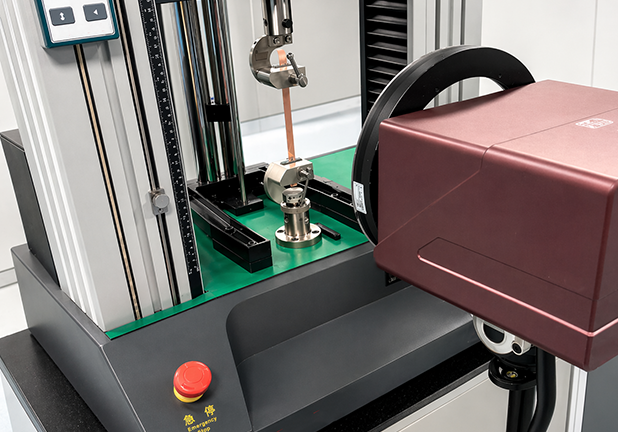
Fatigue analysisDIC strain measurementHaytham In precision measurement, tool choice matters, but equally critical is how to use the tools. Like photography: no matter how good the lens and sensor, pressing the shutter at the wrong moment misses the decisive shot. The same applies to fatigue testing.
2026/05
Video extensometerThin-film material testing As thin-film materials become lighter and finer, traditional contact testing tends to affect data accuracy in practice. For thin specimens, clamping, added mass or local constraints change the material's true load state, making results fail to reflect the material's own behavior.
2026/03
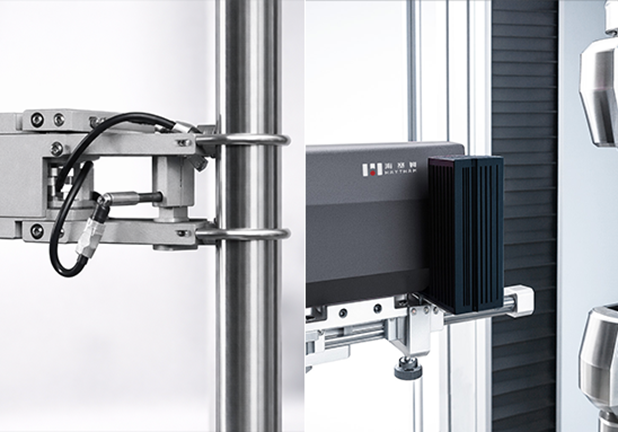
ExtensometerStrain gaugeVideo extensometer In mechanical property testing, many people focus on the testing machine, loading mode and control system, but what really affects result quality is the unavoidable step of strain measurement — whether elastic modulus, yield behavior or elongation response before fracture.
2026/03
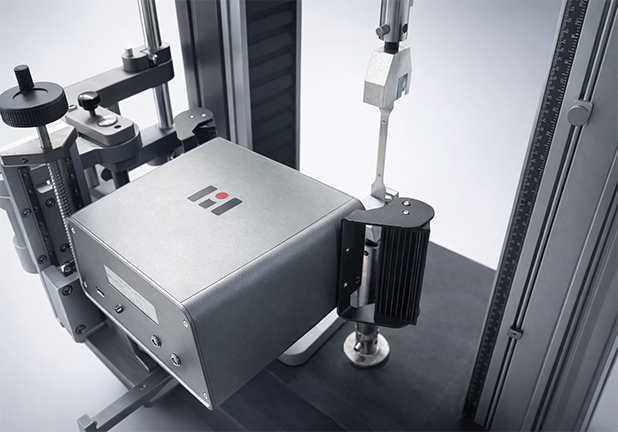
Video extensometerVideo extensometer working principleHaytham video extensometerSingle-camera video extensometerNon-contact extensometerStrain measurementDisplacement measurement A video extensometer is a device achieving non-contact deformation measurement through optical imaging, usable for strain and displacement measurement in mechanical property testing. Focusing on the working principle, this article introduces the application advantages of Haytham single-camera video extensometers in met...





 Downloads

